
Travel enthusiasts, is this your first big Indian adventure?
Voila, the Golden Triangle India tour is THE best first experience!
Taste the best of the three incredible worlds of Delhi, Agra, and Jaipur. The colourful capital culture of Delhi is the perfect welcome you need. Say hello to the Taj Mahal in Agra. And the Rajputana royalty of Jaipur makes you feel like a King or a Queen.
Doesn’t that sound like the ultimate introduction to the heart of India?
Highlights…
- Exploring the Golden Triangle India Destinations!
- The Essential Golden Triangle India Tour:-
- Frequently Asked Questions about Golden Triangle India.
For luxury travellers in 2026, the Golden Triangle India experience has evolved far beyond classic sightseeing. Today, it’s about curated, seamless, and deeply personal journeys- think private heritage walks, after-hours monument access, chauffeured luxury transfers, and immersive cultural storytelling led by expert guides.
With improved expressways, premium train options like the Gatimaan Express, and a growing portfolio of ultra-luxury stays, this circuit now offers global-standard comfort paired with authentic Indian depth- making it ideal for discerning first-time visitors to India.
Pradheep Rajendirane
Exploring the Golden Triangle India Destinations!
You know by now that the Golden Triangle India tour takes you through three incredible cities. But do you know how each of these stops offers an essential piece of the Indian story?
Let us know now, one stop at a time.
Stop 01: Delhi (epicentre of heritage & humdrum!):

Polina Kneis
Welcome to the capital city of India!
Delhi, India, is really two cities in one. Old Delhi has its tangled lanes and Mughal monuments. New Delhi is characterised by wide, tree-lined avenues and imposing government buildings.
Do you know what’s one common thing?
The full-sensory warm-up for your adventure!
Let’s get to the point. What are the must-visit places in Delhi?
- Red Fort (Laal Qila): A majestic red sandstone fortress that once served as the main residence of the Mughal emperors- it’s stunning at sunset.
- Qutub Minar: A UNESCO World Heritage Site featuring a massive 73-meter victory minaret, representing early Indo-Islamic architecture.
- Humayun’s Tomb: Often referred to as the precursor to the Taj Mahal, this serene garden tomb is a must-see for its exquisite symmetry and peaceful atmosphere.
- India Gate: A solemn war memorial and popular central gathering point, especially beautiful when lit up at night.
- Jama Masjid: One of the largest and grandest mosques in India, built by the Mughal emperor Shah Jahan. Climb a minaret for unforgettable views over Old Delhi.
- Lotus Temple: Renowned for its striking, flower-like architecture, this modern temple welcomes people of all faiths for quiet reflection and stunning photo opportunities.
- Raj Ghat: A serene and simple black marble memorial marking the spot where Mahatma Gandhi was cremated. It’s a mandatory stop for its quiet reverence and national importance.
The magic of Delhi lies in embracing its vibrant chaos. Take a thrilling tuk-tuk or cycle-rickshaw ride through the tight, historic lanes of Old Delhi. It’s the only way to experience the pulse of the city!
For a more refined exploration, consider a privately guided Old Delhi walk with curated food tastings at legacy establishments, or an exclusive dining experience in a restored haveli. Many luxury travellers also opt for early-access monument visits to avoid crowds and enjoy a more intimate connection with Delhi’s historic landmarks.
Your taste buds are in for a treat: Delhi is India’s culinary capital. Beyond the well-known street snacks of Chandni Chowk (from spicy chaat to sweet jalebis), make time for a traditional parantha breakfast and seek out the creamy butter chicken that defines Punjabi cuisine here.
For shopping, the markets range from the historic, such as Dilli Haat, which offers authentic regional crafts, to the modern malls of New Delhi. If you want true local treasure hunting, dive into the bustling fabric and jewellery lanes of the ancient marketplace.
Stop 02: Agra (city of love & legacy!):

Jino Issac Varghese
Welcome to the city of the Taj!
Agra in Uttar Pradesh is a fascinating destination that serves as a powerful ode to the grandeur and refined tastes of the Mughal Empire.
What are the must-visits in Agra?
- The Taj Mahal: One of the Seven Wonders of the World. A UNESCO World Heritage Site. This ivory-white marble mausoleum was built by the Emperor Shah Jahan for his wife Mumtaz Mahal to immortalise his love.
Try to catch it at sunrise or sunset!
Why? Because the shifting light on the marble’s colour looks incredibly magical.
If you’re specifically looking for a private Taj Mahal tour, we can assist you with that.
For a truly elevated experience, luxury travellers often pair their Taj visit with a private sunrise viewing followed by a champagne breakfast overlooking the monument at premium hotels. Photography enthusiasts can also benefit from expert-led sessions to capture the Taj’s changing hues with precision.
- Agra Fort: Also known as the Red Fort of Agra, the Agra Fort is a sprawling fortress of red sandstone that offers picturesque views of the Taj Mahal from across the Yamuna River.
- Baby Taj: Really called the Itimad-ud-Daulah, this gorgeous tomb is entirely made of marble and features exquisite pietra dura (inlay work). Now isn’t that the perfect architectural precursor to the Taj?
- Fatehpur Sikri: Located 40 km away, travellers usually explore this ghost city on their way to Jaipur. But did you know, for some time, Fatehpur was the capital of the Mughal Empire?
If you’re into architecture and art, Agra will win your heart with the ancient craft of marble inlay and carving. Artisans still use semi-precious stones to create the same floral and geometric patterns you see on the monuments.
Would you take home cool souvenirs?
Look for miniature replicas or marble tabletops that show this incredible precision work.
Stop 03: Jaipur (the royal pink city of Maharajas & Maharanis!):

Lumos Rai
Padharo Sa!
Welcome to the Pink Capital of Rajasthan, your final and perhaps the most vibrant point on the triangle, Jaipur.
Jaipur in Rajasthan is a living, breathing museum of palatial architecture, ancient forts, and intricate craftsmanship. Prepare for a mesmerising marriage of warrior history and visual elegance.
Once again, let’s look at the must-visit sites in Jaipur:
- Amber Fort: A breathtaking hill fortress just outside the city. Arriving by jeep or on foot, the grandeur of its ramparts immediately transports you to the age of Rajput kings. It is the jewel in Jaipur’s crown and an absolute must-see for understanding the region’s military and artistic mastery. Don’t miss the Mirror Palace inside the Amber Fort of Jaipur!
- Jaigarh Fort: Perched high above the Amber Fort, Jaigarh is a fortress built for military might and defence, rather than opulence. Its primary claim to fame is the Jaivana, the world’s largest cannon on wheels, which has reputedly only been fired once. The views from the battlements are unmatched, stretching for miles across the Aravalli hills and providing a sense of the strategic importance this location held.
- City Palace: Still home to the current Royal Family, the City Palace is a stunning blend of Mughal and Rajput styles, showcasing courtyards, grand halls, and museums. The palace complex is meticulously preserved, offering a rare glimpse into the opulent lifestyle of Rajasthan’s former rulers. Be sure to seek out the four intricately painted gates, each representing a different season, and visit the Mubarak Mahal (Reception Palace), which now serves as a museum dedicated to royal costumes and textiles.
- Wind Palace: Still home to the current Royal Family, the Hawa Mahal in Jaipur is a stunning blend of Mughal and Rajput styles, showcasing museums, courtyards, and grand halls. The unique lattice work allowed cool breezes (Venturi effect) to pass through, keeping the interiors comfortable during Rajasthan’s scorching summers.
- Jantar Mantar: An 18th-century astronomical observation site featuring the world’s largest stone sundial. Built by Maharaja Jai Singh II, this observatory contains nineteen large-scale instruments designed for measuring time, tracking celestial bodies, and observing planetary positions with remarkable precision. Now isn’t that a true ancient engineering marvel?
- Nahargarh Fort: At sunset, the Nahargarh Fort of Jaipur offers the most spectacular panoramic vistas over the Pink City. The perfect unwind after a long day of exploring!
- Jal Mahal (Water Palace): This architectural marvel floats serenely in the middle of the Man Sagar Lake, creating one of the most romantic and photographed sights in Jaipur. Built from red sandstone, only the top floor remains visible above the water, with the other four levels submerged.
But beyond all that, there’s a side of Jaipur that we want to tell you about.
Did you know that Jaipur is the extraordinary jewellery capital of India?
Expertly cut gemstones, Kundan work, and vibrant Meenakari jewellery shine bright here.
Beyond the sparkle, the city’s bazaars, like Johari Bazaar and Bapu Bazaar, overflow with colourful block-printed textiles and famous Bandhani (tie-dye) fabrics. For an authentic local experience, try the famous Rajasthani thali, a platter of diverse regional curries and breads. A lip-smacking end to a day of royal sightseeing!
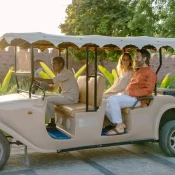
To experience Jaipur like royalty, consider private palace dinners, vintage car rides through the old city, or curated textile and jewellery tours with master artisans. For those seeking exclusivity, heli-tours over Amber Fort and the Aravalli hills are emerging as a premium offering in 2026.
What does an ideal Golden Triangle Tour look like? Can it be personalised?

Vedant Vyas
For those with limited time, here is our ultimate tight 3-day itinerary.
The Essential Golden Triangle India Tour:-
Day 1: Delhi Sightseeing & En route to Agra.
Your day starts with a quick exploration of New Delhi’s monumental core (e.g., India Gate, Humayun’s Tomb). Immediately after, embark on the swift road journey to Agra via the Yamuna Expressway. After settling in, head directly to Mehtab Bagh across the river for the iconic, undisturbed sunset view of the Taj Mahal: the perfect introduction to the monument’s eternal beauty.
Day 2 : The Taj and Pink City Drive.
Rise before dawn for the unforgettable sunrise visit to the Taj Mahal to witness the marble’s changing hues. After breakfast, tour the powerful red sandstone walls of the Agra Fort. Then, it’s time for the longest leg: the afternoon drive to Jaipur (the Pink City), arriving in the evening ready to start sightseeing the next morning.
Day 3 & 4 : Jaipur Highlights & Departure.
Start your final day ascending the majestic Amber Fort. Follow this with a photo stop at the iconic facade of the Hawa Mahal and a tour of the City Palace complex. This whirlwind tour concludes as you transfer to Jaipur International Airport (JAI) for your onward flight, having covered the essential Golden Triangle highlights.
While the 3-day trip covers the essentials, your adventure can be tailored to fit other interests:
- For a Relaxed Pace: If you have 7 days, you can experience a richer flow, allowing two full days in Delhi and Jaipur for deeper cultural immersion and market exploration.
- The Extended Journey: If you have 10-14 days, consider extending your Golden Triangle Tour to include:
– Wildlife: A tiger safari at Ranthambore National Park (accessible from Jaipur).
– Culture: The serene blue city of Jodhpur, or the lake city of Udaipur in Rajasthan.
– Spiritual: A flight extension to Varanasi to witness the Ganga Aarti ceremony.
Explore all our tailored Golden Triangle Tour packages and get expert advice on customisation.
Frequently Asked Questions about Golden Triangle India.

Akshat Jhingran
- What is the Absolute Best Time to Visit the Golden Triangle India?
- The ideal time to visit Delhi, Agra, and Jaipur is during the Winter Season, spanning October to March. Expect the coolest temperatures (nights can be chilly) and the highest tourist crowds.
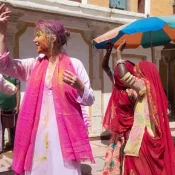
But if you want to experience the cultural festivals like Diwali, the Festival of Lights, visit in October, but for Holi, the Festival of Colours, visit in March.
- What are the best luxury hotels in Delhi, Agra, and Jaipur?
The Golden Triangle India is renowned for its world-class luxury accommodations, many of which are housed in meticulously restored palaces. For the best experience, these properties are consistently rated as the best:
- Delhi: The Imperial (known for its colonial heritage and impeccable style in Lutyens’ Delhi) or The Oberoi, New Delhi (modern luxury with top-tier dining).
- Agra: The Oberoi Amarvilas is the undisputed choice. It is situated just 600 meters from the Taj Mahal, offering uninterrupted, stunning views of the monument from nearly every room and the restaurant terrace. This is the ultimate romantic splurge!
- Jaipur: Rambagh Palace (the former residence of the Maharaja, offering true royal opulence) or The Oberoi Rajvilas (a royal resort set in 32 acres of beautiful gardens with private tented villas). Samode Haveli offers a slightly more intimate, historic palace feel.
- What Cultural Experiences Cannot Be Missed in Each City?
While seeing the monuments is essential, true immersion happens in the details. These experiences transform a tour into a journey:
- Delhi: Don’t miss a Heritage Walk through Old Delhi. Hiring a guide to navigate the labyrinthine alleys of Chandni Chowk will lead you to hidden temples, ancient spice markets, and the best street food stalls (parathas and jalebis are a must-try).
- Agra: Go beyond the Taj Mahal by visiting a local Marble Inlay Workshop. Agra is famous for the intricate Pietra Dura (marble inlay) that adorns the Taj Mahal. Watching artisans demonstrate this detailed craft gives you immense respect for the Mughal artistry.
- Jaipur: Spend an evening at Chokhi Dhani. This ethnic village resort is designed to showcase the vibrant culture of rural Rajasthan, complete with folk dances (Ghoomar), puppet shows, traditional Rajasthani thali dining, and camel/elephant rides.
- How Many Days are Ideal for the Golden Triangle Tour?

Martijn Vonk
The minimum time required to rush through the main sites is 3 nights or 4 days. However, to truly appreciate the history, handle the travel time between cities, and indulge in local markets and food, we strongly recommend a 6 to 7-day itinerary. This allows for:
- Two full days in Delhi (to cover Old and New Delhi separately).
- One full day in Agra (to see the Taj Mahal at sunrise/sunset, plus Agra Fort).
- Two full days in Jaipur (to explore the massive forts and the city’s palaces/bazaars).
5. What Makes the Golden Triangle India Ideal for First-Time Luxury Travellers?
- The Golden Triangle India is ideal because it offers a balanced introduction to India’s culture, history, and luxury hospitality within a minimal timeframe. The route is well-connected, safe, and supported by high-end infrastructure, including 5-star hotels, expert guides, and premium transport options.
It allows travellers to experience three distinct cultural identities- Mughal, colonial, and Rajputana- without logistical complexity, making it the most efficient and rewarding first journey into India.
Whew, you’ve absorbed the whole guide on Golden Triangle India!
Now that you know the Delhi hustle, the Agra romance, and the Jaipur royalty, the next step is simple: request us for a quote.
Seriously, if you’re looking for the single best introduction to India, this is it. We’ve got the complex logistics covered, so all you have to do is say yes to the adventure.